A manufacturing film needs to explain how a product is made and why the process matters to its audience. Shoot In China provides bilingual production support for factory and industrial filming, connecting an international brief with the people, processes and access arrangements on the ground.
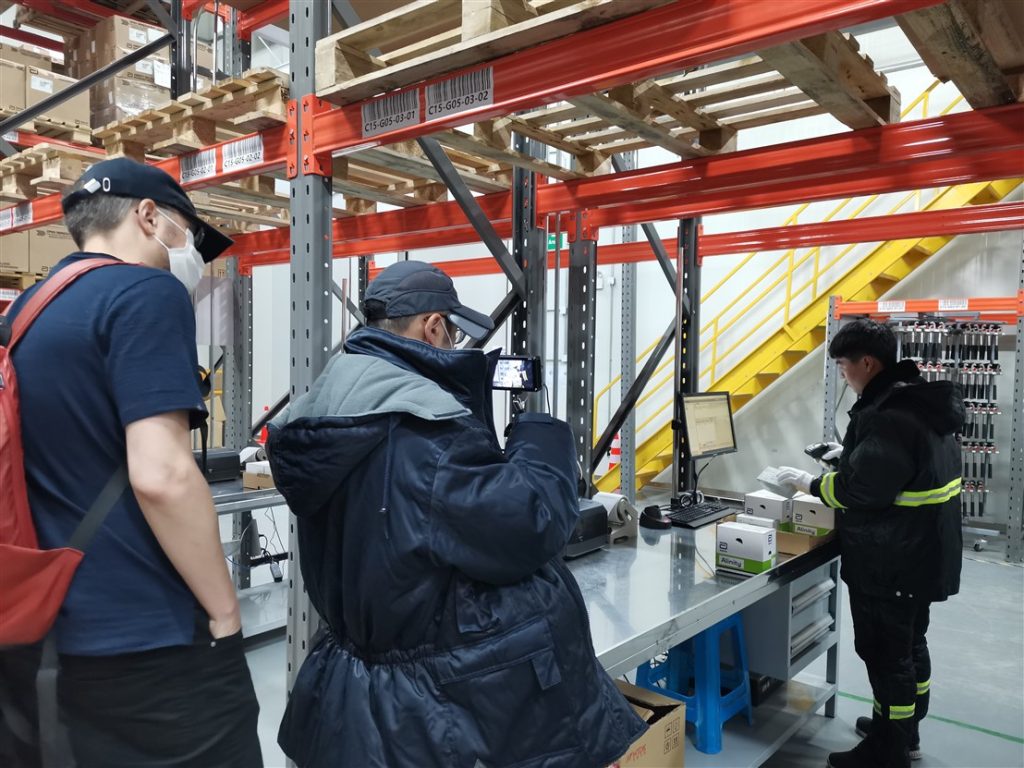
The right approach depends on the deliverable. A supplier introduction, a process explainer and an internal training film may use the same factory but need different shots, interviews and levels of technical detail.
Choose the story before writing the shot list
- Factory introduction: show the site, production capabilities, people and relevant quality-control stages.
- Process explainer: follow a defined sequence from input to finished component, with details that make each stage understandable.
- Customer or supplier film: connect interviews with footage that illustrates the specific claims being discussed.
- Training content: agree the learning objectives and have the factory’s responsible specialists review technical instructions.
Turn a technical process into filmable coverage
Ask the factory to identify the stages that will actually run during the visit. A complete manufacturing cycle may take longer than the available shoot window, so decide which stages need separate filming times and which can be explained through graphics or approved existing materials.
For each stage, plan an establishing view, a readable action shot and a close detail. Record the names of components and processes as you go. This gives the editor more than attractive machinery footage: it provides a sequence that can be checked against the technical story.
Prepare access and protect confidential information
Agree the filming areas, restricted products, screens, documents and people with the factory contact before the shoot. Establish who can approve a frame if confidential material appears in the background. Confirm the site’s induction, protective equipment and escort arrangements, and fit filming around the operating team’s instructions.
A proposed shot list is a planning document, not permission to enter every production area. Flag any shot that needs the factory to arrange access or adjust its schedule.
Record interviews that work with the factory footage
Choose interviewees who can explain the process, customer need or quality approach in clear terms. Share topics in advance and confirm names, job titles and specialist vocabulary. Where possible, choose an interview space away from machinery noise, then capture separate production sound and relevant cutaways on the line.
Agree technical review and delivery
Define the main film, shorter edits, subtitle languages, graphics, aspect ratios and whether source footage is part of the handover. Assign a technical reviewer and consolidate feedback before translation and final graphics. Production footage can illustrate a process; it should not be used to imply an unverified certification or performance claim.
Plan a factory production in China
For a local execution brief, see Dongguan factory video production. For shoots across several sites, see crew coordination in China.
Email [email protected] with the factory cities, dates, intended audience, deliverables and the processes you need to show. Include an access contact and any confidentiality restrictions already identified.